

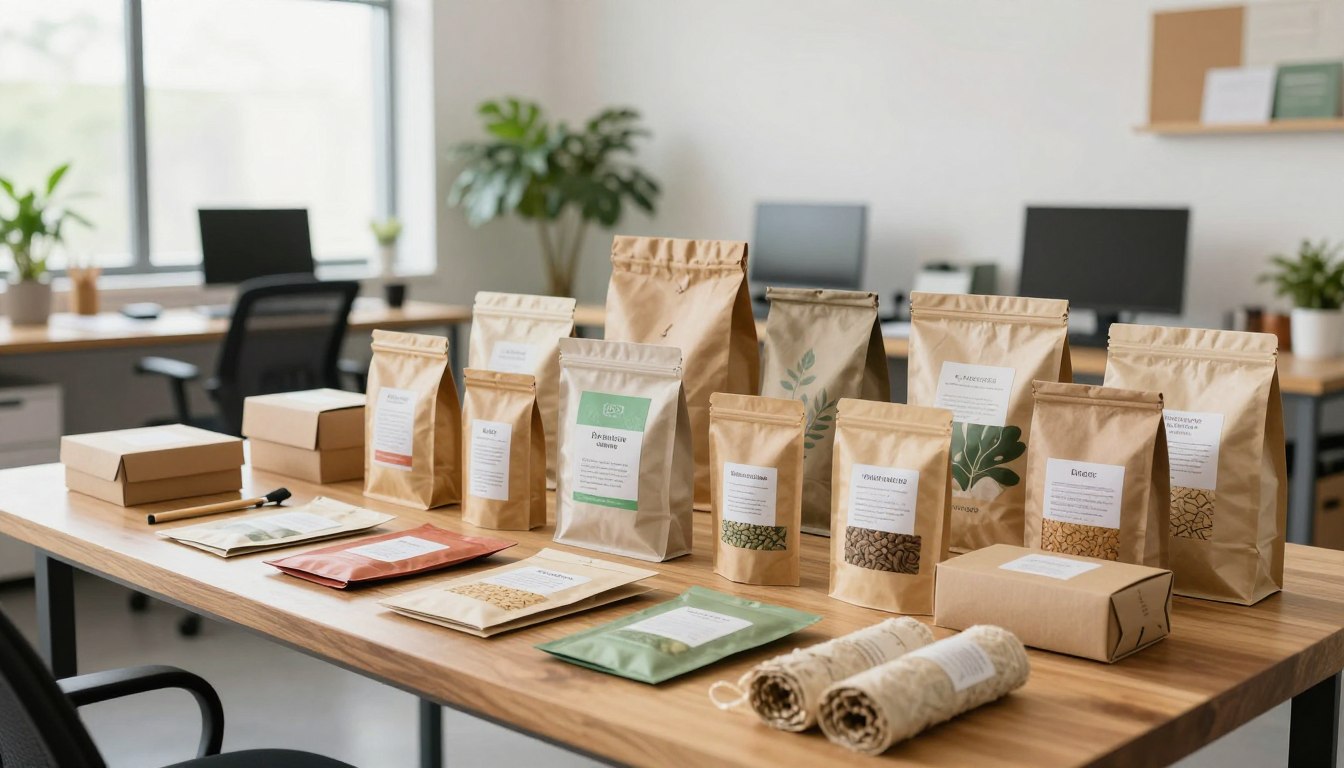
Modern businesses in the United States are facing a significant shift in consumer expectations. Today, shoppers actively seek brands that prioritize the planet by choosing eco-friendly packaging options. This transition is not just a trend; it is a necessary evolution for companies aiming to stay competitive.
One of the most effective ways to reduce packaging waste is by adopting innovative materials like Pappedeckel. This versatile solution offers a durable and sustainable alternative to traditional plastics. By integrating such materials, your business can significantly lower its environmental footprint.
Staying ahead of current eco-friendly packaging trends requires a proactive approach to supply chain logistics. Implementing smart packaging waste management strategies allows organizations to align their operations with global sustainability goals. Utilizing a high-quality Pappedeckel design ensures that your brand remains both functional and responsible in the eyes of your customers.
Key Takeaways
- Consumers increasingly demand sustainable and responsible packaging choices.
- Adopting innovative materials helps businesses reduce their overall waste output.
- Effective waste management is essential for modern, eco-conscious operations.
- Sustainable packaging solutions improve brand loyalty and customer trust.
- Transitioning away from non-recyclable materials is a vital step for future growth.
Understanding the Benefits of Pappedeckel for Modern Businesses
Adopting eco-friendly packaging is no longer just a trend but a vital strategy for long-term success in the United States. As consumers become more aware of their ecological footprint, businesses must adapt to stay relevant. Utilizing Pappedeckel and other sustainable options allows companies to meet these evolving expectations while streamlining their logistics.
Why Sustainable Packaging Matters in the United States
The American market is currently witnessing a massive shift toward sustainable shipping. Customers now prioritize brands that demonstrate a clear commitment to the planet. By integrating eco-friendly business practices, companies can build deeper trust with their target audience.
This transition is not merely about optics; it is about future-proofing your operations. Businesses that prioritize sustainable material sourcing often find themselves better prepared for upcoming environmental regulations. This proactive approach fosters sustainable business growth in a crowded marketplace.
The Environmental Impact of Choosing Paperboard Alternatives
Moving away from single-use plastics is a critical step for any modern enterprise. Paperboard solutions offer a versatile and renewable alternative that significantly reduces landfill waste. These materials are often sourced from responsibly managed forests, ensuring a lower carbon footprint.
Furthermore, the use of biodegradable shipping materials ensures that your packaging does not linger in the environment for centuries. When you choose corrugated cardboard alternatives, you contribute to a circular economy. This simple change helps protect natural resources for future generations.
Cost-Effectiveness and Brand Perception
Many business owners worry that going green will hurt their bottom line. However, recyclable shipping supplies are often more cost-effective than traditional synthetic options due to their lightweight nature and lower disposal fees. Investing in these materials can actually improve your profit margins over time.
Beyond the numbers, eco-conscious branding creates a powerful narrative that resonates with modern shoppers. When your packaging reflects your values, you differentiate your brand from competitors who rely on outdated methods. The following table highlights why many companies are making the switch today.
| Feature | Traditional Plastic | Pappedeckel/Paperboard |
|---|---|---|
| Environmental Impact | High (Non-biodegradable) | Low (Biodegradable) |
| Recyclability | Limited | High |
| Brand Perception | Negative | Positive |
| Cost Efficiency | Variable | High (Long-term) |
Implementing Pappedeckel Solutions in Your Supply Chain
Building a greener supply chain begins with the smart implementation of high-quality paperboard solutions. By integrating Pappedeckel into your daily operations, you can align your logistics with modern environmental standards while maintaining high performance. This transition requires a careful look at how your materials interact with your specific shipping needs.

Selecting the Right Material Thickness and Durability
Choosing the correct material is vital for ensuring your products arrive safely. Durable paperboard provides the structural integrity needed to protect goods during transit without the bulk of traditional plastic.
Assessing Weight Requirements for Shipping
Understanding the weight of your items is the first step in sustainable shipping. You must match the thickness of the board to the load to ensure maximum packaging material efficiency. Using the right grade of material prevents unnecessary waste and keeps shipping costs predictable.
Customization Options for Branding
Your packaging serves as a primary touchpoint for your customers. Utilizing custom packaging design allows you to showcase your commitment to the planet while reinforcing your brand identity. This eco-conscious branding approach helps you stand out in a crowded marketplace.
Transitioning from Plastic to Eco-Friendly Alternatives
Moving away from synthetic materials is a significant milestone for any company. Corrugated cardboard alternatives offer a versatile path forward, providing a reliable, biodegradable shipping material that consumers trust.
Optimizing Storage and Logistics
Effective green logistics rely on how you manage your inventory space. By choosing modular, flat-pack designs, you can optimize your warehouse storage and reduce the number of trips required for distribution. This streamlined approach directly supports a more efficient sustainable supply chain.
Reducing Carbon Footprint Through Material Efficiency
Every choice you make in the design phase impacts your overall carbon footprint reduction. Focusing on lightweight yet strong materials ensures that you are not paying to ship air or excess weight. The following table outlines how these materials compare in a professional setting.
| Material Type | Durability | Sustainability | Weight Efficiency |
|---|---|---|---|
| Standard Plastic | High | Low | Moderate |
| Pappedeckel | High | Excellent | High |
| Recycled Paper | Moderate | High | High |
Conclusion
Adopting paperboard solutions marks a pivotal shift for companies across the United States. This transition supports a healthier planet while meeting the rising expectations of modern consumers.
Smart businesses now prioritize the balance between material strength and environmental responsibility. Choosing the right resources helps protect your products during transit while lowering your total carbon footprint.
Your brand identity grows stronger when you align with eco-friendly values. Customers notice when a company invests in renewable materials like those used by industry leaders such as WestRock or International Paper.
Take a moment to audit your current shipping supplies today. Small changes in your logistics strategy lead to significant long-term gains for both your bottom line and the earth. Start your journey toward better packaging practices now to stay ahead in a competitive market.
FAQ
What exactly is Pappedeckel and how does it benefit my business?
Pappedeckel refers to premium paperboard and corrugated cardboard solutions designed to help U.S. businesses transition toward eco-friendly packaging. By adopting these materials, your company can significantly improve its packaging waste management, satisfy the rising consumer demand for environmental responsibility, and replace outdated, non-recyclable materials with versatile, sustainable alternatives.
Will switching to sustainable shipping materials increase my operational costs?
Not necessarily! While the shift requires a thoughtful strategy, sustainable material sourcing often leads to long-term cost-effectiveness. Using recyclable shipping supplies and biodegradable shipping materials enhances your brand perception, allowing you to stand out in competitive marketplaces like Amazon or Target while proving your commitment to eco-friendly business practices.
How can I ensure that paperboard is durable enough for my heavy products?
Our implementation guide focuses on high-level paperboard engineering to ensure maximum durability. By selecting the appropriate material thickness and accurately assessing weight requirements, you can maintain the structural integrity of your parcels. This ensures that your custom packaging design is both aesthetically pleasing and functional throughout the entire sustainable supply chain.
In what ways does Pappedeckel help reduce a company’s total carbon footprint?
The process focuses on material efficiency and green logistics. By optimizing storage and logistics, businesses can reduce the physical space required for inventory, leading to a significant carbon footprint reduction. Transitioning from plastic to recyclable alternatives also supports a circular economy and helps your organization move closer to zero waste goals.
Can I customize eco-friendly packaging to match my specific brand identity?
Absolutely! Eco-conscious branding is a major component of modern commerce. You can utilize various customization options to feature your logo and brand colors using soy-based inks and other sustainable methods. This helps build a strong, recognizable brand identity while utilizing FSC-certified materials that resonate with environmentally aware shoppers in the United States.
What is the first step in transitioning from plastic to more sustainable alternatives?
The first step is conducting a thorough audit of your current packaging material efficiency. By evaluating your current needs against modern eco-friendly standards, you can identify where corrugated cardboard alternatives can replace plastic fillers. This shift not only supports sustainable business growth but also aligns your operations with global efforts to reduce packaging waste.
