

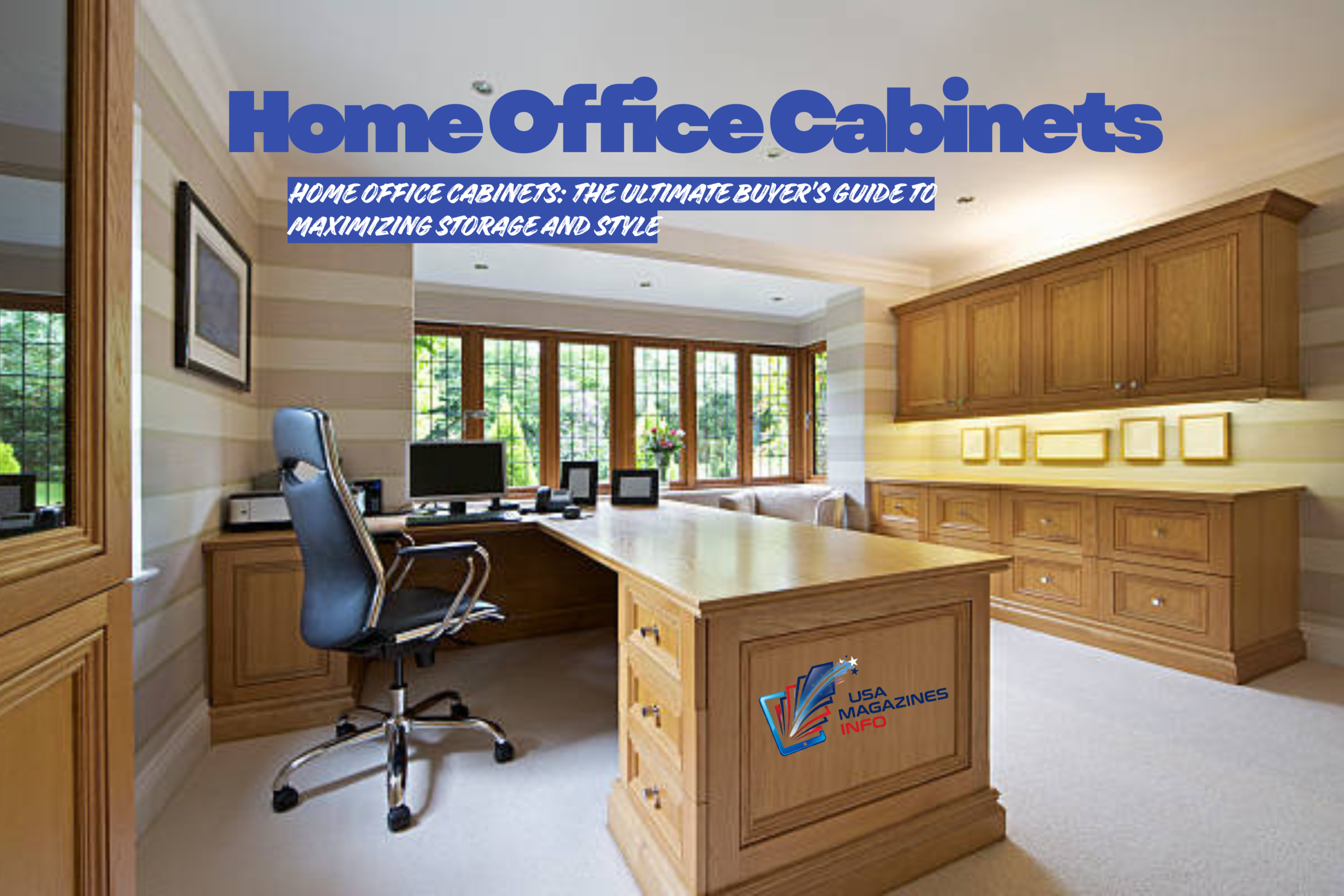
The modern workspace has permanently shifted into our living areas, bedrooms, and dedicated spare rooms. To maintain a clear distinction between professional production and personal relaxation, organizing clutter is no longer optional. Home office cabinets serve as the backbone of a high-functioning remote workspace, turning chaotic piles of paperwork and tangled cords into a streamlined, high-productivity environment.
Investing in targeted furniture configurations helps reduce visual fatigue and optimizes daily workflows. Whether you manage a full corporate operation from home or need a compact hub for freelance tasks, selecting the correct storage system alters both your spatial efficiency and your mental clarity.
Key Details
| Aspect | Specification & Trends |
| Product Type | Home Office Cabinets & Storage Systems |
| Primary Materials | Solid Wood (Oak, Ash, Walnut), Engineered Wood, Matte Steel, High-Grade Laminates |
| Trending Styles | Tactile Naturalism, Japandi, Restorative Darks, Seamless Tech Integration |
| Key Features | Soft-close hinges, integrated cable paths, modular stacking, smart security locks |
| Average Width Dimensions | 15 inches to 36 inches per standalone unit |
| Top Global Brands | IKEA (Galant/Idåsen), Room & Board (Copenhagen), Steelcase, Herman Miller |
| Core Market Demand | High-intent solutions for remote professionals, digital agencies, and content creators |
Why Strategic Storage is the Core of Remote Work Productivity
A common mistake when setting up a remote work area is focusing entirely on the desk surface and chair while ignoring the surrounding perimeter. Without dedicated storage furniture, essential tools quickly overflow onto your writing area, causing unnecessary distractions.
The Psychology of Visual Order
Cluttered environments force the brain to expend extra cognitive energy processing unnecessary visual inputs. When your workspace features closed storage options, you physically compartmentalize your work equipment. Closing a cabinet door at the end of a shift provides a clear psychological separation between your professional hours and your personal evening routine. You may also like to read about Matarecycler Solutions to Simplify Your Recycling Process
Protecting Sensitive Materials
For professionals handling financial records, client invoices, or proprietary physical media, open shelving leaves critical assets vulnerable. Modern locking office cabinets offer robust security features, ranging from physical key arrays to RFID and digital smart locks that interface with home protection software.
Emerging Material and Aesthetic Design Trends
The era of cold, sterile, white laminate surfaces with exposed metal frames is giving way to designs that blend seamlessly with home decor. Storage solutions are evolving to prioritize organic textures and deep, grounding color schemes.
Tactile Naturalism and Rich Woods
Current design directions focus heavily on rich wood grains that bring nature indoors. Solid ash, walnut, and oak options featuring matte finishes are highly sought after. These premium materials soften the harsh visual impact of multi-monitor computers and electronic peripherals.
The Rise of Restorative Darks
Interior design forecasts highlight “Restorative Darks” as a foundational element for focus-driven rooms. Deep tones like charcoal, plum brown, and midnight emerald provide rich background framing, making them ideal backdrops for video calls while reducing ambient glare.
[Cold Minimalism] ──> Moving Toward ──> [Tactile Naturalism]
(White Laminate/Metal)                  (Warm Solid Woods/Matte Finishes)
Comprehensive Classification of Office Cabinets
Understanding the structural differences in cabinet design allows you to match your furniture choice precisely to your floor plan and spatial limits.
1. Vertical Storage Towers
When floor space is limited, the most efficient strategy is utilizing your vertical wall real estate. Tall storage towers and narrow armoires provide substantial shelf capacity without consuming valuable square footage.
- Best For: Small bedrooms, studio apartments, and corner workspaces.
- Design Advantage: Keeps reference manuals and archival boxes stacked upward, freeing up the immediate desk perimeter.
2. Lateral and Rolling File Cabinets
Low-profile lateral storage units provide wide drawers designed specifically for high-volume paper files, legal document folders, and tax records. Mobile varieties fitted with heavy-duty casters roll easily beneath standard-height desks when not in use.
- Best For: Accountants, legal professionals, and agency managers dealing with extensive hard-copy paperwork.
- Design Advantage: The top surface serves dual purposes, acting as a printer platform or a display area for decorative accent pieces.
3. Modular Cabinet Ecosystems
Modular storage configurations are highly adaptable systems that grow alongside your business. These setups allow you to stack individual drawer boxes, combine open shelving paths, and add specialized cabinets onto a unified base frame over time.
- Best For: Expanding creative studios, digital content hubs, and multi-user home environments.
- Design Advantage: Offers long-term flexibility, allowing you to reconfigure your furniture layout if you move to a different room.
Technical Integration: Concealing Modern Work Tools
Premium office cabinets do more than just hold static items; they actively integrate with your tech stack to ensure your equipment remains powered and completely hidden from view.
Cord Management Channels and Port Layouts
Advanced units feature factory-drilled, recessed cord cutouts along the back panels and inner shelves. This allows you to position charging docks, backup hard drives, and wireless routers directly inside the closed cabinet compartments without crushing your power cables.
Built-in Ventilation Systems
Enclosing heat-generating electronics like laser printers, server towers, or gaming rigs inside standard cabinets can lead to performance-throttling overheating. High-end storage pieces utilize slatted front panels, breathable wire mesh backings, or silent built-in exhaust fans to maintain safe internal operating temperatures.
Step-by-Step Guide to Customizing Internal Storage Configurations
To maximize your internal cabinet space, avoid piling miscellaneous supplies loosely onto open shelves. Use this structured organizational method to ensure every business asset has a functional home:
- Implement Adjustable Shelving Regimes: Position your internal shelf planks based on the exact height of your tallest binders or storage boxes to eliminate dead vertical space.
- Utilize Uniform Canvas and Acrylic Bins: Group loose items like charging cables, label makers, and extra stationery into labeled container bins for swift retrieval.
- Introduce Specialized Drawer Dividers: Section off wide drawer spaces into targeted channels for small items like flash drives, pens, and paperclips to prevent clutter.
- Incorporate Pull-Out Appliance Trays: Mount heavy equipment like desktop scanners or secondary printers on smooth-sliding rolling runners for effortless accessibility during your active hours.
Premium Ergonomics and Spatial Placement Strategies
Finding the right physical location for your office furniture is just as critical as selecting the pieces themselves. Proper placement optimizes your daily movement patterns and maintains a safe, physically comfortable workspace.
The Kinetic Workspace Triangle
Just like a kitchen relies on the sink-stove-fridge workflow triangle, an efficient office depends on a smooth relationship between your main seating area, your primary screen surface, and your storage hubs. High-access items like daily project logs, tablets, and essential reference books should remain within arm’s reach while you are seated.
             [Main Desk / Monitor]
                 /          \
                /            \
               /              \
    [Seated Ergonomic Chair] ── [High-Access Cabinet]
To minimize physical strain on your back and neck during long working hours, place your storage units using these spatial guidelines:
- Primary Active Zone (0 to 18 inches): Reserve your mobile rolling drawers and desk-adjacent units for items you touch multiple times a day, like headsets or immediate paperwork.
- Secondary Reach Zone (18 to 48 inches): Position lateral file cabinets and low sideboards here. These are ideal for printers or active reference manuals that require you to pivot or stand briefly.
- Archival Outer Zone (Beyond 48 inches): Place tall storage towers and overhead wall cabinets in this outer perimeter to hold tax archives, backup supplies, and seasonal equipment.
Weight Distribution Mechanics
To ensure long-term physical safety, always load heavy objects into the lowest portions of your furniture. Placing heavy stacks of paper, legal binders, or electronic servers in top shelves shifts the center of gravity upward, increasing the risk of structural tipping. Always secure tall vertical storage units directly to wall studs using heavy-duty anti-tip bracket hardware.
Consumer Buying Guide: Material Matching Matrix
Choosing the right material impacts the lifespan, visual look, and budget performance of your office furniture. Use this matrix to select a construction style that aligns with your specific operational needs:
| Material Type | Structural Strengths | Ideal Use Case Environments | Lifespan Expectancy |
| Solid Premium Hardwoods | Exceptional structural rigidity, high scratch resistance, can be sanded and refinished. | Executive offices, high-visibility video backdrops, long-term investments. | 25+ Years |
| High-Density Fiberboard (HDF) | High structural stability, resistant to warping from humidity, smooth exterior finish. | Budget-conscious modern workspaces, painted minimalist designs. | 7 to 15 Years |
| Powder-Coated Steel | Industrial-grade durability, high weight capacity per shelf, immune to moisture damage. | Heavy archival record storage, tech-heavy multi-server hubs. | 20+ Years |
| High-Pressure Laminate (HPL) | Incredible stain, impact, and heat resistance; highly customizable colors and textures. | Multi-user corporate home spaces, high-traffic active utility zones. | 10 to 20 Years |
Maintenance Protocols for Long-Lasting Furniture Care
High-quality office furniture is an investment in your business infrastructure. Implementing basic maintenance habits preserves your storage assets for decades.
Caring for Solid Wood Pieces
Solid wood reacts dynamically to changes in humidity and moisture. Avoid placing premium wood cabinets directly in front of heating vents or in spaces exposed to intense, direct afternoon sunlight, which can cause the grain to split or fade over time. Dust surfaces weekly using a dry micro-fiber cloth along the direction of the natural grain pattern, and avoid chemical cleaning sprays containing silicone or harsh solvents.
Adjusting Door Alignment and Hinge Tracks
Over months of continuous use, cabinet doors can shift slightly due to the weight of stored items. Most modern soft-close hinges feature adjustable alignment screws that let you correct sagging or uneven gaps. Checking and tightening these hardware fittings once a year keeps your doors closing smoothly and prevents unnecessary wear on the frames.
[Hinge Adjustment Screw A] ── Controls Left/Right Door Gap
[Hinge Adjustment Screw B] ── Controls Up/Down Door Height
[Hinge Adjustment Screw C] ── Controls In/Out Depth Alignment
Final Purchasing Considerations
Before finalizing your office storage setup, run through this quick checklist to confirm your chosen system matches your work lifestyle:
- Take Exact Dimensions: Measure your floor space, door frames, and window clearance lines twice before purchasing any large lateral or vertical units.
- Review Floor Load Limits: If you are installing multiple high-capacity lateral steel file units filled with legal paperwork, make sure your residential flooring can support that concentrated weight.
- Plan Around Power Outlets: Ensure your furniture placement won’t block access to wall outlets, internet routers, or surge protectors.
- Match Storage to Tasks: Be honest about your workflow needs. If your business is almost entirely digital, prioritize tech integration and cable management over extensive hanging file rails.
By choosing a balance of durable materials, smart cable management, and functional spatial layout, you turn an average room into a powerful, distraction-free home office tailored for long-term success.
